FOOD FOR HIKING AND CAMPING
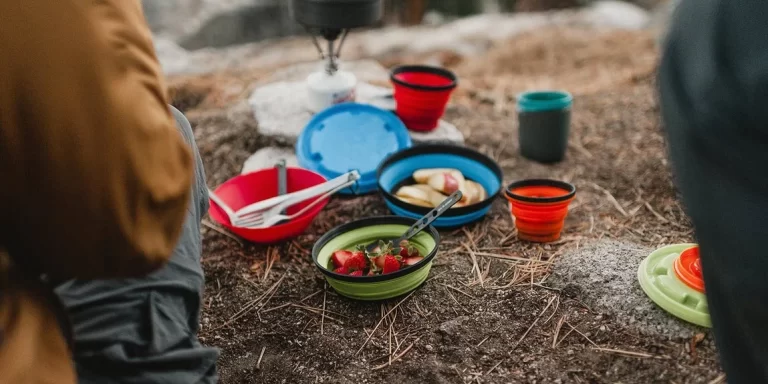
We’re just a few days away from our trip to El Chaltén, with plans to hike several trails — some as day hikes and others as overnight treks. We already know what to pack in our backpack, and now comes the next question: what food should we bring?
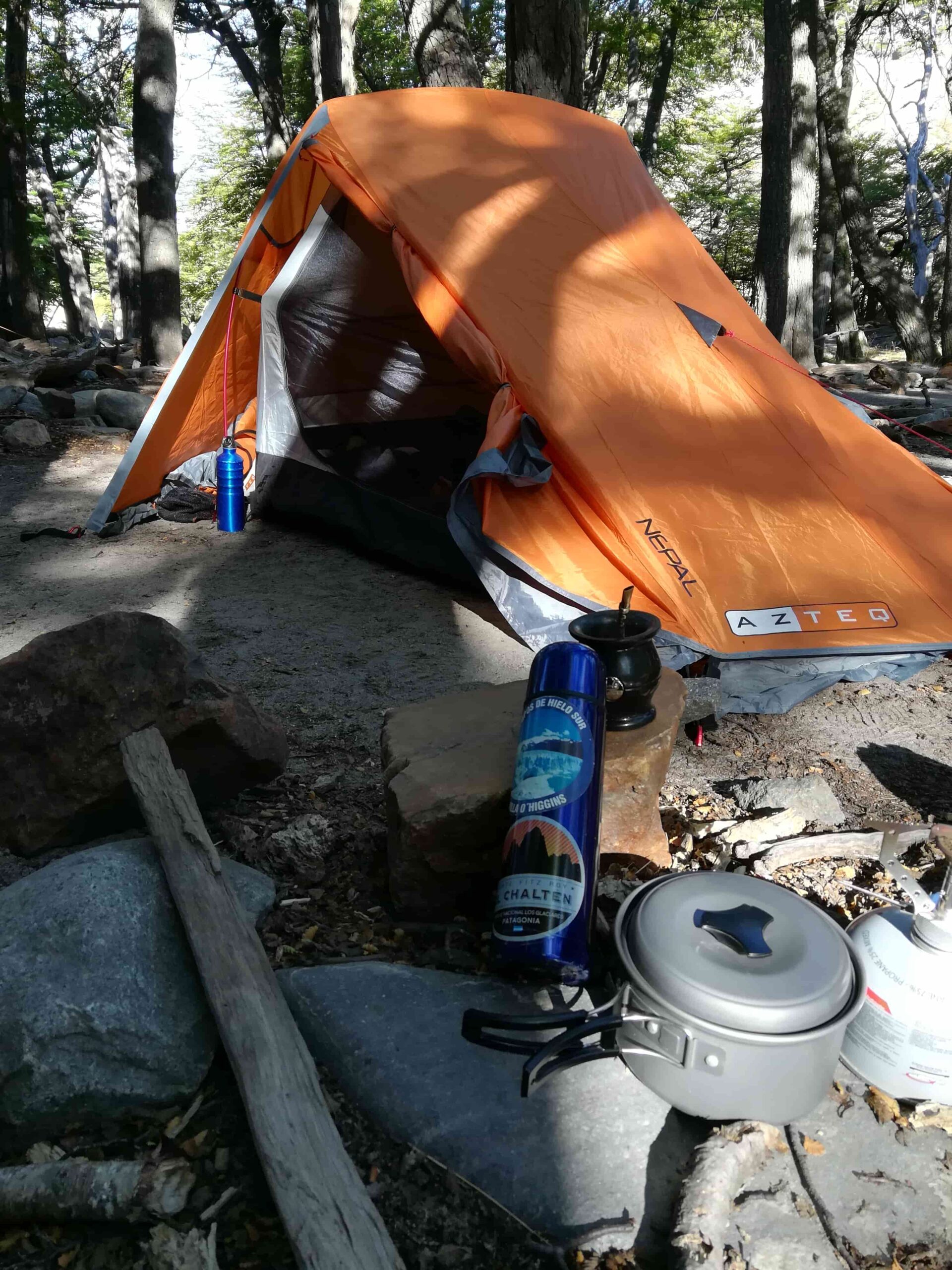
Keep in mind that the backcountry campsites — Poincenot, D’Agostini, and Capri — have no electricity, shops, or food stalls of any kind. That means we need to carry everything we plan to eat, whether we’re heading out for a day hike or tackling the Laguna de los Tres – Laguna Torre Traverse.
Choosing the right food is therefore an essential part of the planning process
CALORIES BURNED DURING A TREKKING
According to the WHO, the recommended daily calorie intake is around 2,000–2,500 kcal for men and between 1,500 and 2,000 kcal for women. These are general figures and vary depending on each person’s physiology, daily energy expenditure and many other factors. This post is not intended to go into technical detail — the recommendation is always to consult a specialist and use this content as a reference only.
That said, on typical mountain terrain, a person weighing 70 kg carrying a 10 kg pack and walking at an average pace of 3 km/h can burn approximately 520 kcal/h. Over an 8-hour day — such as the trail to Laguna de los Tres — that same person could burn around 4,000 kcal. Again, these are approximate figures for reference only; actual calorie expenditure will vary depending on body weight, pace, elevation gain and other factors.
TRAIL SNACKS
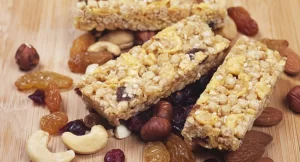
When we talk about trail snacks, we mean all the food you eat while on the move. Keep in mind that open fires are prohibited within Los Glaciares National Park and the use of camp stoves is only permitted in designated areas. Some examples:
- Granola bars (individually wrapped).
- Nuts (walnuts, peanuts, almonds, etc.).
- Fresh fruit — recommended for day hikes; for multi-day treks, opt for something lighter.
- Sandwiches of all kinds — for multi-day treks, keep cold chain in mind; for day hikes, a great option.
- Chocolate — dark is preferable, though any sweet treat is always welcome!
Depending on personal preference, a hot drink (tea, coffee, herbal infusion) during breaks can make a real difference on long, cold days. Packing a small mug or thermos is worth the extra weight.
As a complement to trail snacks, you can also bring charcuterie, cheese or bread with a spread — as long as it is consumed within the first 24 hours. The key thing to remember is that everything goes into your pack, and all waste must be carried back to El Chaltén (there are no bins on the trails or at backcountry campsites).
What about a Multi-Day Trek?
On multi-day treks, trail snacks become your lunch. You will be nibbling throughout the day as you walk toward the next campsite, so it is important to keep a couple of cereal bars or a handful of nuts within easy reach — otherwise hunger hits and you end up digging through your entire pack to find them.
Once you arrive at camp and get the tent set up, you can sit down for something more substantial. Some people prefer to cook a proper hot meal right away, while others opt for a light snack (tea and crackers, for example) and save the main meal for later. It comes down to personal preference.
What is certain is that throughout the day you will need at least 4 proper meals:
- Breakfast: Something hearty — you need energy to start moving.
- Lunch: Trail snacks (dried fruit, cereal bars, chocolate, etc.).
- Afternoon Snack: Tea, biscuits, etc.
- Dinner: A proper meal (noodles, rice, freeze-dried or thermostabilized food, etc.).
RECOMMENDED FOODS
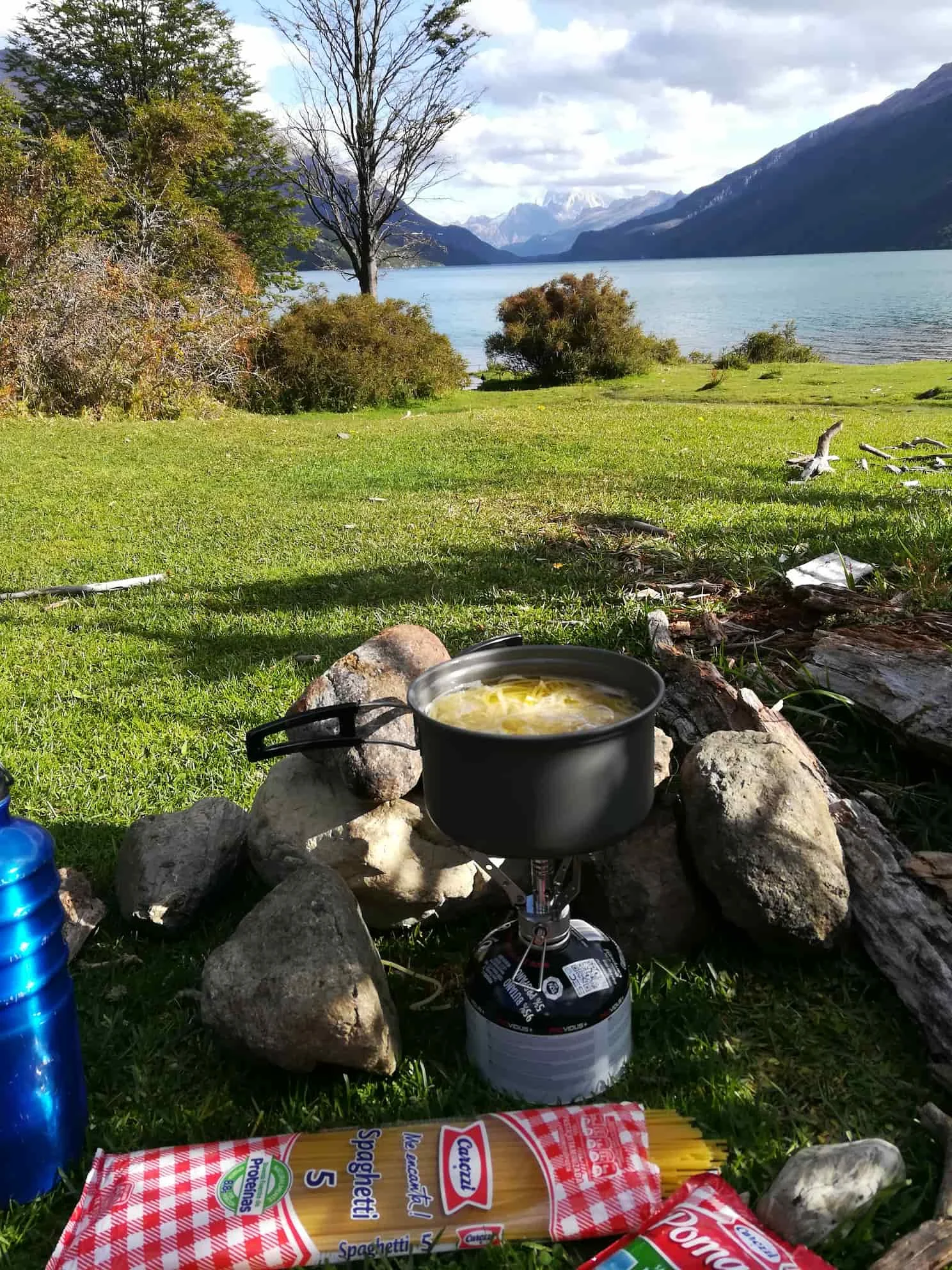
- Noodles: Fast-cooking and one pack goes a long way. Pair with packaged sauces.
- Rice: Best to bring it pre-cooked, as it takes a long time to cook from scratch and uses a lot of gas. Pre-cooked rice pouches are a practical alternative.
- Tuna: Transfer it to zip-lock bags to avoid carrying the weight of the can.
- Eggs: Can be carried raw (with care) or hard-boiled.
- Ham, cheese, charcuterie: Only if consumed within the first 24 hours.
- Vegetables: Like rice, best brought pre-cooked and kept cool on hot days. Also consider dehydrated fruit and vegetables.
- Bread, crackers and similar: To accompany meals, breakfast or snacks.
- Powdered milk: Transfer to a zip-lock bag, bringing only what you will actually use.
- Cereal flakes: Same — transfer to a zip-lock bag.
- Tea bags, coffee or your preferred breakfast drink: Pack individual sugar or sweetener sachets.
ALTERNATIVES: FREEZE-DRIED & THERMOSTABILIZED FOOD
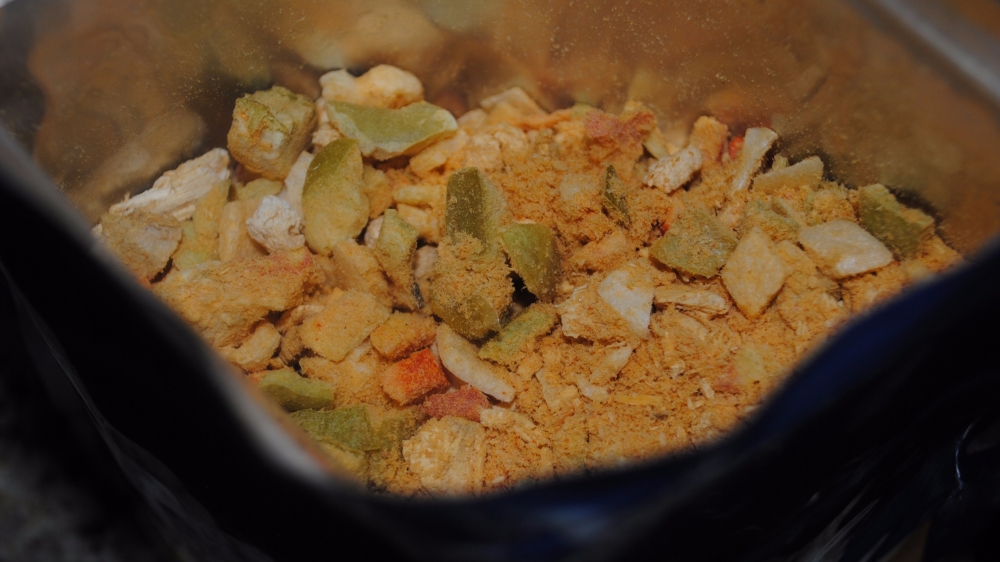
We also have two alternatives when it comes to eating on the mountain. On one hand, there is freeze-dried food — a type of dehydrated food in which moisture is removed by freezing the product and then allowing it to pass through a vacuum at low atmospheric pressure. On the other hand, there is thermostabilized food — a process in which a prepared meal is vacuum-sealed, then sterilized and kept at a controlled temperature for up to a couple of months until all bacteria responsible for decomposition are completely eliminated.
The choice between the two comes down to your budget and the type of activity you’re planning. Personally, I’d recommend trying both and drawing your own conclusions. For freeze-dried options, I recommend the brand Camps Foods, and for thermostabilized meals, Sabor de Reyes.
As you can see, there is not a single answer about what to eat on the mountain. At the end, each person knows their tastes and what works best for you. What is important is to find a balance between weight, calories and practicality. The greater number of days of journey, the more attention we should pay to this point.
Some tips to end to take into account:
- Ration carefully: If you are out for 2 days, there is no need to pack a kilo of sugar or 3 bags of pasta. Bring exactly what you need to avoid unnecessary weight in your pack.
- Zip-lock bags: Avoid cardboard packaging or cans — transfer everything into zip-lock bags (the kind with an airtight seal).
- Gas: Calculate how much cooking you plan to do and how many days you will be out, so you bring enough without going overboard.
- Kitchen utensils: Think about whether you actually need plates, or whether eating straight from the pot is feasible. The same applies to cups and cutlery — a multi-tool knife, for example, covers most needs.
- Extra rubbish bags: Even though all waste must be carried out, it is worth packing a few extra bags to contain any liquid leaks.