WHAT TO WEAR FOR HIKING IN EL CHALTEN
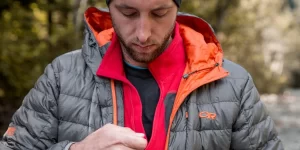
The goal of this article is to give a broad overview of how the 3-layer system (also known as the onion layering system) works — the standard approach used today for mountain activities. Those with more experience may have different opinions, and that is completely valid. The intention here is not to make comparisons, but to provide a general overview of current technologies and their benefits.
Nor is the intention to push anyone into spending money in a hurry. Both in El Chaltén and in any other destination, it is perfectly possible to start hiking with a good pair of grippy sneakers, comfortable pants, a fleece mid-layer and a warm jacket. Everyone knows their own budget, and it is always possible to make do with what you have.
A BRIEF HISTORY
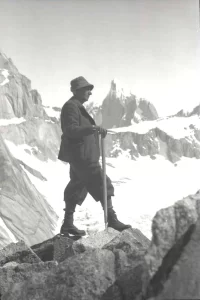
More than once we have seen photos, videos or perhaps a film featuring those legendary expeditions from the late 19th and early 20th centuries, and we have likely been surprised by the clothing they wore, the tools they carried and the sheer amount of weight they had to haul.
And no wonder — it was not until the mid-1980s that synthetic fiber garments and fleece began to be widely commercialized, and the first jackets with simultaneously waterproof and breathable membranes appeared on the market. Until then, waterproof jackets were not breathable, which made them poorly suited for outdoor activities.
Over the years, technology evolved and names that may sound familiar today began to emerge: GoreTex, PowerDry, Softshell, and others.
THE 3-LAYER SYSTEM
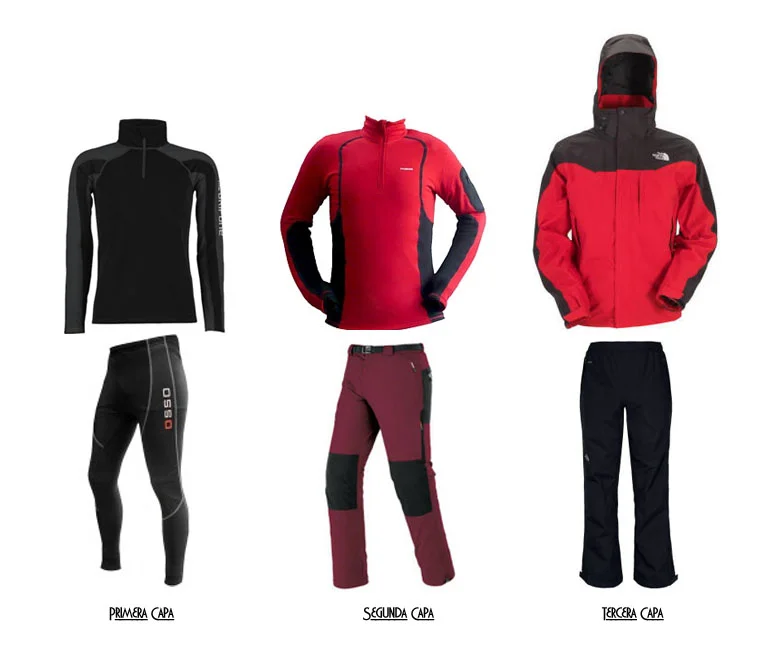
The 3-layer system (or onion system) is not only comfortable and practical — since layers can be added or removed as needed — it is also highly effective for the following reasons:
Protection: Against rain, wind and snow.
Moisture management: When moving, the body generates sweat. Fabrics like cotton absorb that moisture and hold it against the skin, which can lead to chills when you stop (at a viewpoint, for example). The layering system actively moves sweat away from the body.
Heat retention: Body heat is retained while sweat is pushed outward.
In short: beyond protection, the goal is to keep the body as dry as possible — both from external moisture and internal perspiration — while maintaining warmth and preventing heat loss.
Here is a closer look at the function of each layer:
FIRST-LAYER - BASE LAYER
Widely known as “thermal underwear” or “base layers”, this layer should sit as close to the skin as possible. It comes in the form of tops, bottoms, gloves and socks.
Its primary function is to keep the body dry by wicking all sweat away from the skin and transferring it toward the second layer. In combination with the outer layers, it also contributes to heat retention.
SECOND LAYER - MID LAYER
This layer is responsible for providing warmth. Fleece jackets or micro-fleece pullovers are the most common options. Depending on how cold-sensitive you are, you can use a single fleece or layer two together. For the legs, trekking pants or thermal leggings are typical, while a beanie or buff works well for the head.
This layer also collects the moisture transferred from the base layer and continues pushing it outward, preventing heat loss through conduction.
Important note on down jackets: Down is not recommended while actively hiking, as sweat will eventually dampen it and cause it to lose its insulating properties — and it takes a long time to dry. Down jackets are ideal for use at the campsite or refuge at the end of the day.
THIRD LAYER - OUTER SHELL
The primary function of this layer is to protect against rain and snow, and to block wind-driven heat loss (convection). It is also the final barrier through which all accumulated moisture is expelled, which is why it is strongly recommended that this layer be made with a waterproof and breathable membrane.
Important: Precisely because of membranes like GoreTex, outer shell jackets and pants tend to be quite expensive. If you are just starting out, it is not advisable to make a major investment here right away — it is better to prioritize a good pair of trekking shoes or boots first. Any windbreaker-style jacket can work as a substitute, keeping in mind that without waterproofing or breathability, you will need to open the zip periodically to prevent sweat from soaking through from the inside.
As we have seen, the 3-layer system offers significant benefits when used correctly and with the right materials. But as mentioned at the start: there is no need to invest in a full kit all at once. In Puerto Natales — the base city for visiting Torres del Paine — there are several shops where it is possible to rent or purchase basic gear at reasonable prices. The most important thing is to prioritize in this order: proper footwear first, then a backpack, then a sleeping bag.